European Deforestation Regulation EUDR
The European Deforestation Regulation (EUDR) is the EU’s latest legislative step to tackle deforestation and forest degradation linked to global supply chains. It applies to a range of commodities including timber, which is a key raw material for PGS Group’s pallet and packaging activities.
The regulation aims to ensure that products imported into, exported from, or produced and sold within the EU market are not associated with deforestation or forest degradation after January 1, 2021, and are legally produced in accordance with the laws of their country of origin.
The EUDR entered into force on 29 June 2023. Its obligations will apply directly across all EU Member States without national transposition. To allow businesses more time to prepare, the EU granted an extension period, setting the compliance deadline for medium and large companies at 31 December 2026.

What is required?
To comply with the EUDR, companies must conduct and document due diligence on the origin and legality of in-scope commodities. This includes:
- Submitting a Due Diligence Statement;
- Declaring products are not sourced from land subject to deforestation and forest degradation after 1 January 2021;
- Ensuring products are in compliance with applicable laws.
This requirement applies per shipment, and is backed by strict traceability and risk management obligations.

Core Due Diligence Obligations
The EUDR sets out three essential obligations* for operators and traders:
- Information gathering: Collecting detailed information about the product, including geolocation coordinates of the harvesting plot, the commodity type, country of production, and supplier identity.
- Risk assessment: Evaluating whether the risk of deforestation or illegality is present, based on governance indicators, forest conversion data, and species-level risk factors.
- Risk mitigation: Taking adequate measures where a risk is identified, including supplier clarification, third-party audits, or exclusions.
*If sourced from a country classified as ‘low risk’ under Article 13, the last two obligations no longer apply.

PGS Group's Preparations
At PGS Group, we have an established Due Diligence System (DDS) developed initially under the EU Timber Regulation (EUTR). Our DDS has been audited twice by public authorities, including the Belgian Federal Service for Public Health and the French Ministry of Agriculture (DRAAF). In both cases, the outcome was EUTR-compliant.
To prepare for the more stringent demands of the EUDR, we are now expanding our system in three ways:
- Updating our supplier data collection procedures;
- Adding plot-level traceability components;
- Reviewing and upgrading our internal risk indicators to align with the new regulation.
The work is ongoing, and we aim to ensure full operational readiness before the December 2026 deadline.

Supplier Declarations Current Practice and Future Alignment
As part of our existing sourcing process, we require suppliers to provide structured information on:
- The country and region of origin of the wood;
- The type of wood species supplied;
- A declaration confirming that the wood is not sourced from controversial origins (e.g. conflict timber, illegal logging);
- Willingness to provide additional information and agreement to a potential supplier audit.
This information helps us maintain a clear audit trail and verify that our purchases are responsibly sourced. While our current procedures already cover many EUDR elements, the addition of precise geolocation data per harvest plot will be the most significant change under the new regulation — and is currently being integrated into our supplier protocols.

Certifications and Internal Controls
We hold a PEFC multisite certificate (WOOD.BE-PEFC-COC-001631), which covers all our production, reconditioning and sawmill entities and confirms that certified timber is sourced according to robust social, environmental, and legal criteria. The certificate is audited annually by an independent third party and aligns closely with the EUDR framework.
Beyond third-party certifications, PGS Group applies internal control procedures to safeguard compliance across its sites, including:
- Annual internal audits;
- Group-wide sourcing protocols;
- Supplier onboarding and screening.
“EUDR readiness is not a tick-the-box exercise. It’s about integrating traceability into real procurement decisions.” - Marie, Wood Procurement
Looking Ahead
As the EUDR takes effect, PGS will continue strengthening its procurement processes to ensure full and consistent compliance. We view this as an opportunity to bring further clarity to our supply chains and demonstrate our long-standing commitment to responsible sourcing.
For more information, watch our interview with Charlin, who oversees PEFC certification at group level. Visit our download page to access certification documents.
Contact
If you have any questions regarding the EUDR regulation and how PGS Group is preparing for compliance, don't hesitate to contact our CSR team on CSR@pgsgroup.com.

CSRD | Corporate Sustainability Reporting Directive
The CSRD sets a new standard for corporate sustainability reporting in Europe. At PGS Group, we see this as an opportunity to improve how we measure and manage impact. Learn how we are preparing—through double materiality analysis, data system upgrades, and a dedicated reporting tool—to meet future requirements with transparency and structure.
Halting Climate Change
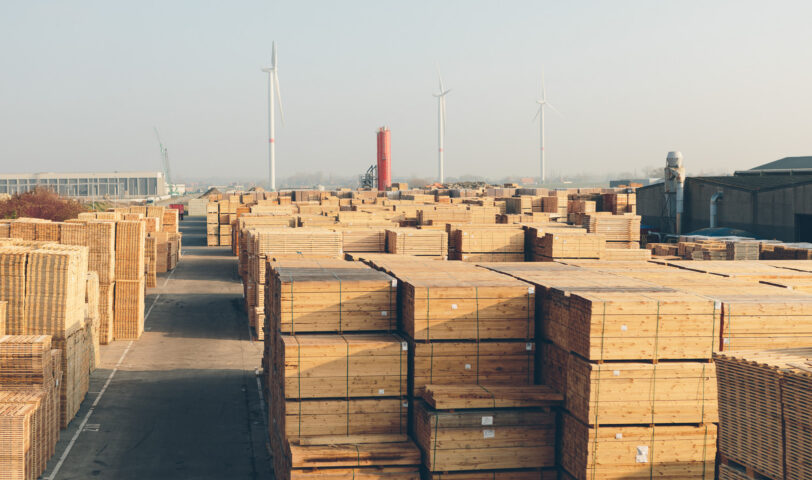
Taking climate action is central to our strategy. At PGS Group, an uncompromising approach to CO₂ emissions means we are measuring, reducing and managing our footprint across all three scopes. Read more on how our roadmap to decarbonisation supports a resilient, low-carbon economy.
Circular Products and Services
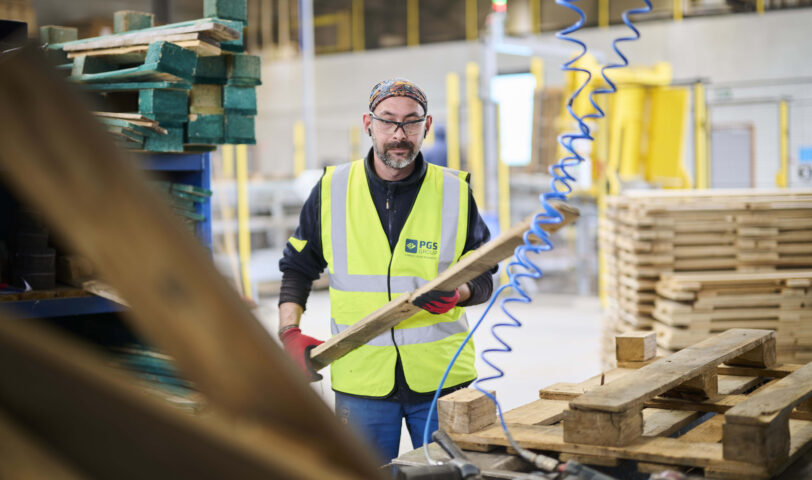
Circularity is at the core of our business models. At PGS Group, we maximize material use through eco-design, repair and reuse services, pooling solutions, and the valorization of byproducts. Discover how our approach keeps resources in use longer, reducing waste and contributing to a more circular economy across the value chain.
Safe and Healthy Work Environment
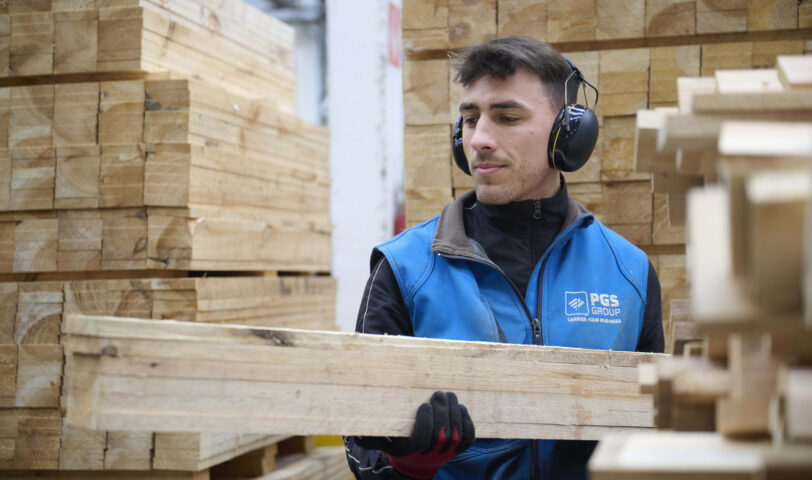
At PGS Group, safety is not just a policy—it’s part of our culture. From risk prevention and employee training to continuous improvement through audits and performance monitoring, our approach is built on responsibility at every level. Discover how we work toward our long-term goal of zero workplace accidents through practical measures, clear safety rules, and strong local engagement—across all sites and roles.
Dedicated Community Investment
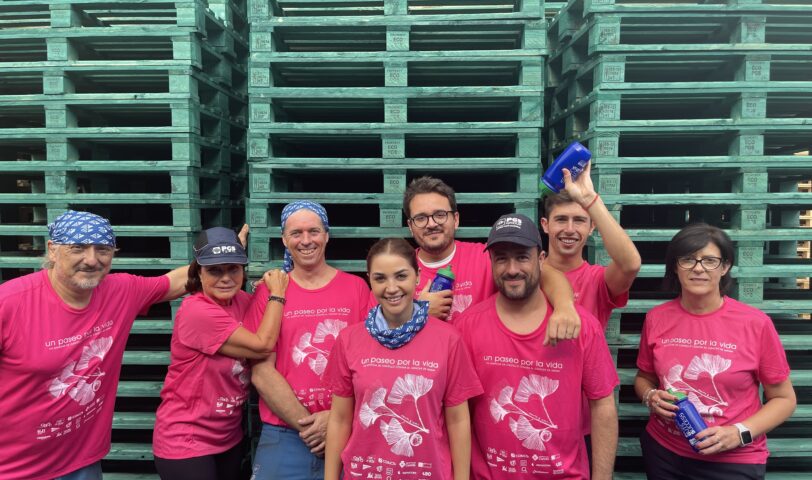
We believe in social engagement and making a positive impact in the communities where we operate. Whereas we have always invested and engaged in our local communities, we wanted to keep track of our positive contributions in a more structural and efficient way. In line with this, we have established the PGS Community Investment Program. This program offers all of our employees the opportunity to support social projects and organizations.